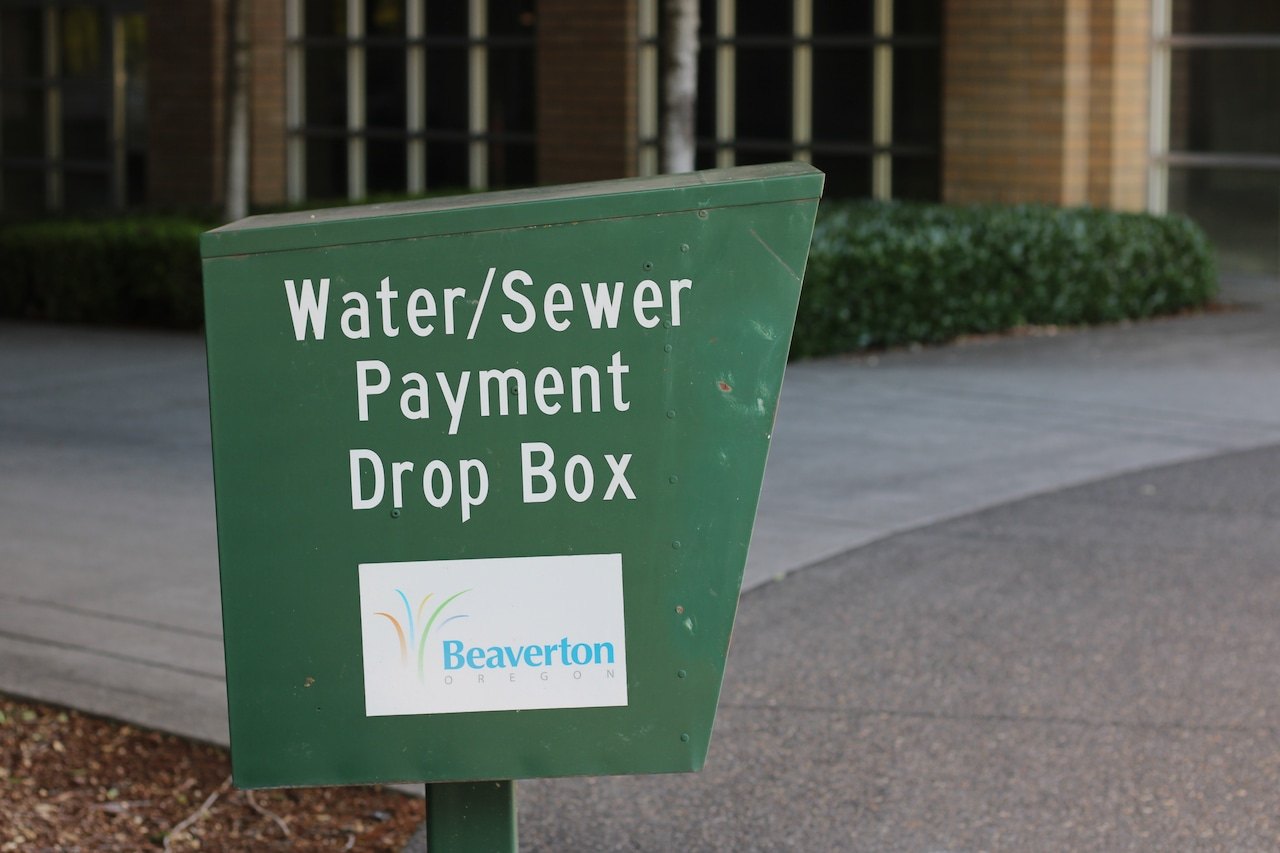
Beaverton residents will pay at least $13 more per month on their utility bills starting in August 2026 after the City Council voted to approve two new fees aimed at closing a $16.2 million General Fund deficit.
The general services fee, set at $9.50 per month for most households, passed 6-1. Councilor Nadia Hasan cast the lone dissenting vote. A separate street maintenance fee ranging from $3.61 to $5 per month for residents passed unanimously. Together, the fees are projected to generate $5.3 million for the current fiscal year, according to city budget documents.
"I'm not sure I feel like I've done enough, and so I'm going to vote no tonight," Hasan said.
The general services fee will fund police, neighborhood upkeep, and housing programs. Commercial properties will pay $45.13 per month; public facilities, $133.
The street maintenance fee will double in year two and triple in year three. A resident paying $5 per month in 2026-27 will pay $15 by 2029. City staff cited stagnant gas tax revenue, the failure of the state transportation package (Measure 120, rejected by voters in May 2026), and rising construction costs as reasons for the new charge.
On top of the new fees, the council also approved rate hikes for water (about 9%), sewer (about 7%), and stormwater (about 5%). A household currently paying $52.53 for water will pay $57.43 instead. Part of that increase is driven by rate hikes from Washington County Clean Water Services.
The fees alone won't solve the city's structural deficit. The council will consider an additional $2.5 million in cuts in September 2026, and Mayor Lacey Beaty warned that a transient lodging tax increase is still coming.
The city may also place a new property tax measure on the ballot for voters in May 2027.
Beaty acknowledged the financial strain on households at the July 7 meeting, saying she had gone to the grocery store and filled up her car that day and understood what rising costs mean for family budgets. She called the vote "no easy choice."
Council President John Dugger framed the decision as unavoidable after the city cut more than 40 positions over the past three years. "We are to the marrow now," Dugger said. "We can't do that much more."
The city receives only 21 cents of every dollar in property tax revenue sourced in Beaverton; the rest goes to other government entities.
Residents struggling with expenses can receive help with utility fees, including the new charges, up to three times a year through nonprofit Community Action at caowash.org/utility-assistance.
The council will take up the additional $2.5 million in cuts in September. No specific meeting date has been announced. Residents can track the city's budget process at beavertonoregon.gov/fiscal-sustainability-in-beaverton.