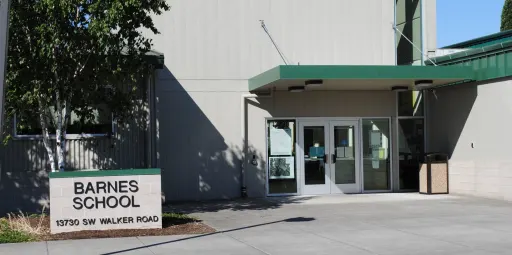
Schools like Barnes Elementary, William Walker Elementary, and Vose Elementary serve some of Beaverton's highest concentrations of low-income families.
How much extra state funding those schools receive depends on a poverty-counting method that no other state in the country uses.
Oregon is the only state that relies solely on U.S. Census Bureau estimates to calculate how many students live in poverty, according to an investigation by Oregonian reporter Julia Silverman published June 17.
That method undercounts more than 100,000 students statewide who are actually experiencing poverty, the investigation found. OPB's Think Out Loud broadcast highlighted the findings July 14, with host Allison Frost interviewing Silverman about the formula's impact on Oregon's neediest kids.
Here's one sign the Census numbers don't match reality in Beaverton: all 52 BSD school sites now provide free breakfast and lunch through the federal Community Eligibility Provision for 2026-27.
Schools only qualify for CEP when a high enough share of students are already certified for free meals. Yet federal data pegs just 26% of BSD students as economically disadvantaged.
The gap matters because BSD's own staffing model depends on poverty counts. As Interim Superintendent Michael Schofield described in the district's May 5 budget message, school staffing is "weighted by the number of students experiencing poverty." Fewer students counted as poor means fewer staff assigned to the schools that serve them.
For Beaverton School District, Oregon's third-largest with 36,273 students projected for fall 2026, the undercount compounds an already dire budget picture. The district adopted a $780.4 million General Fund budget on June 9 while facing a $25 million shortfall driven by declining enrollment, rising costs, and a $5.08 million local option levy gap.
The structural deficit is projected to grow past $70 million by 2029.
Oregon's school funding formula distributes a share of the state's $11.4 billion K-12 allocation based on Census poverty estimates. When those estimates run low, districts serving large numbers of low-income students receive less poverty-weighted funding than their populations warrant. The district has not disclosed how much funding it loses under the current formula.
Lawmakers from both parties have signaled urgency. Sen. Janeen Sollman, D-Hillsboro, voted against three Quality Education Commission nominees on June 17 in a 16-12 Senate vote, criticizing the commission's role in generating rigorous data for funding decisions. Sen.
Noah Robinson, R-Cave Junction, was blunter: "We continually kick the problem down the road. Our students are being educated now. They're not going to benefit from something that's done in 10 years or even five years from now."
New BSD Superintendent Tony Smith, who began a 100-day listening tour July 13, has not publicly addressed the poverty formula. The district's budget documents acknowledge broader fiscal pressure from "declining enrollment, rising operational costs and shifts in local funding."
Lawmakers have pointed to the 2027 legislative session as the venue for formula changes, but no specific bill or hearing date has been announced.