Muffy Vasale didn't know a soul in Aloha when she arrived. She and her husband had fled Santa Rosa, California, after a wildfire destroyed their community, only to land in a new neighborhood just as the COVID-19 pandemic locked everyone indoors.
Her husband then had a health scare.
Isolated and starting over, Vasale walked her dogs at Jenkins Estate several times a week. Those walks introduced her to Oregon's native plants and, eventually, to the Backyard Habitat Certification Program, a joint effort of Columbia Land Trust and Bird Alliance of Oregon that helps suburban residents restore wildlife habitat in their own yards. The program is open to all of Washington County, including Beaverton-area neighborhoods, and about 2,000 local residents are either certified or working toward certification.
In the summer of 2025, Vasale's yard earned official certification, making her one of just 10 people in Aloha to reach that milestone.
"I covered the place with about six or eight inches of wood chips and just started planting natives everywhere — front yard, backyard, just kind of got obsessed," Vasale told the Aloha Free Press in an Aug. 7 profile.
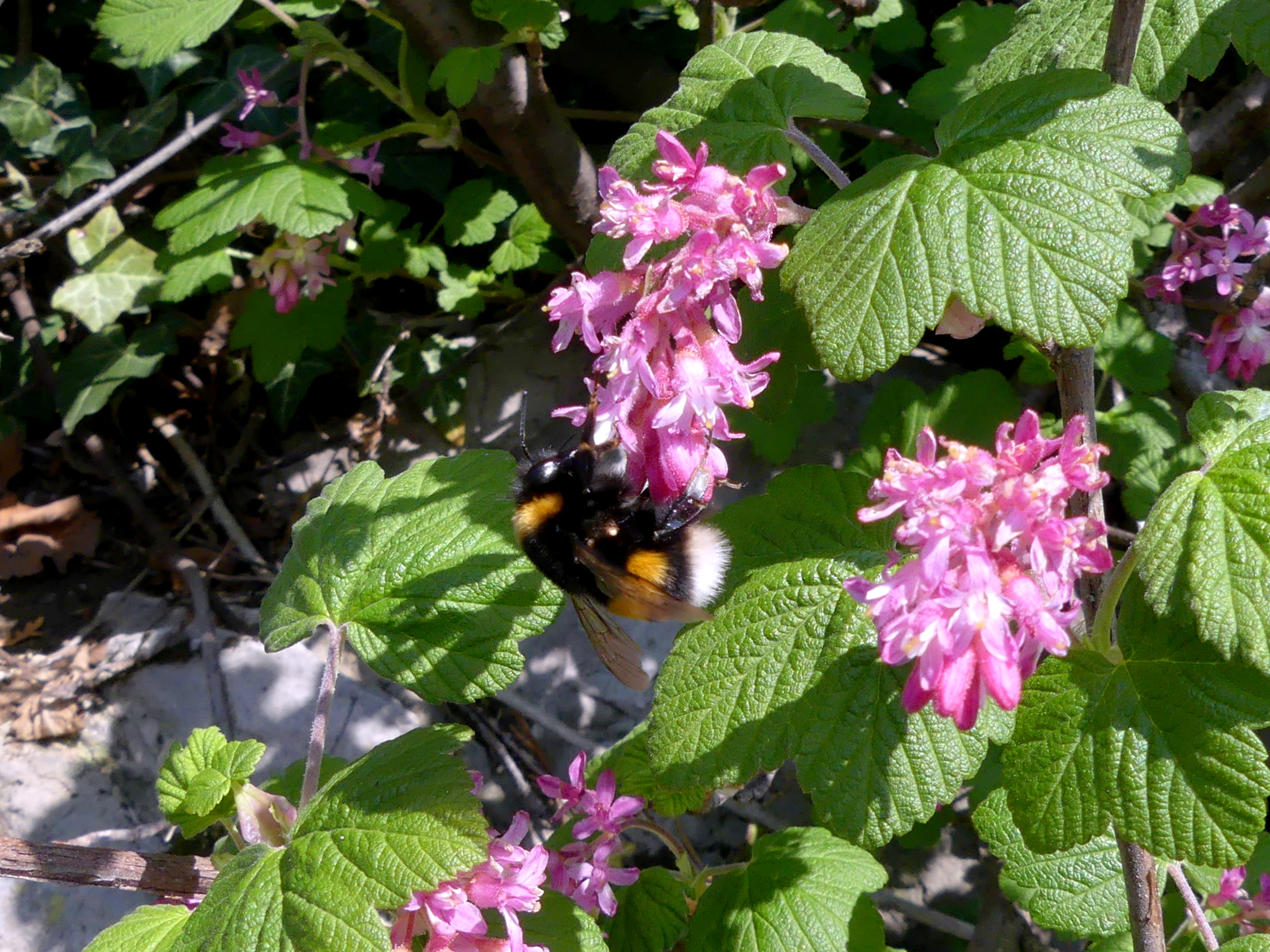
When she bought the house, a previous owner had stripped the landscaping down to five trees, a couple of shrubs, sod, shredded cedar bark and gravel. Now the yard supports two kinds of native currants, native strawberries and other berry-producing plants. Bumblebees nap in her Flowering Red Currant shrubs.
The transformation wasn't just ecological. Through the program and by giving away surplus plants on Facebook, Vasale built friendships she didn't have when she moved.
"A dozen people would come in the next week or so and pick up free plants, and you get to talking with them," she told the outlet. "I just have met people."
How the program works
The Backyard Habitat Certification Program launched as a small pilot in southwest Portland in 2006. Columbia Land Trust and Bird Alliance of Oregon began co-managing it in 2009, and it expanded into Washington and Clark Counties in 2019. Today more than 14,500 households are enrolled across four counties, according to Columbia Land Trust.
Volunteers logged more than 899 hours in 2025 alone.
Enrollment is a one-time, sliding-scale fee. The program's average direct cost per participant is $250, but the organization encourages people to pay what is meaningful and affordable. In return, enrollees receive an in-person site visit with a habitat technician, a customized report, discounts of 10–25% at 15 local nurseries, wholesale soil and mulch pricing and a one-year membership to both Columbia Land Trust and Bird Alliance of Oregon.
Three certification levels — Silver, Gold and Platinum — let participants work at their own pace, with annual check-ins from program staff. Criteria include adding native plants, removing invasive species like Himalayan blackberries and ivy, and incorporating stormwater management features.
Vasale's entry point was her Cross Creek Homeowners Association, which partnered with the Tualatin Soil and Water Conservation District and the program to introduce native plants along community walking paths. Residents interested in enrolling can visit backyardhabitats.org.
Katherine Noble, the program's co-manager, said in a June Columbia Land Trust article marking the program's 20th anniversary that it channels participants' enthusiasm for plants and pollinators into neighborhood-level conservation action.
Vasale is already planning her next project: either a pond to attract frogs or a rain garden.
Upcoming Beaverton-area community events
- Saturday, Aug. 15 — Beaverton Music Festival at The Round, noon–9 p.m.
- Sunday, Aug. 23 — Art Trail on Bike Ride, City Hall to Beaverton City Park, 11 a.m.–1:30 p.m.
- Sunday, Aug. 23 — BACC Concerts in The Round, 5:30–7:30 p.m.
- Saturday, Sept. 12 — Kids Market at Beaverton Farmers Market, City Park, 9 a.m.–1 p.m.
- Sept. 10–19 — Welcoming Week, a series of events celebrating immigrant and refugee communities