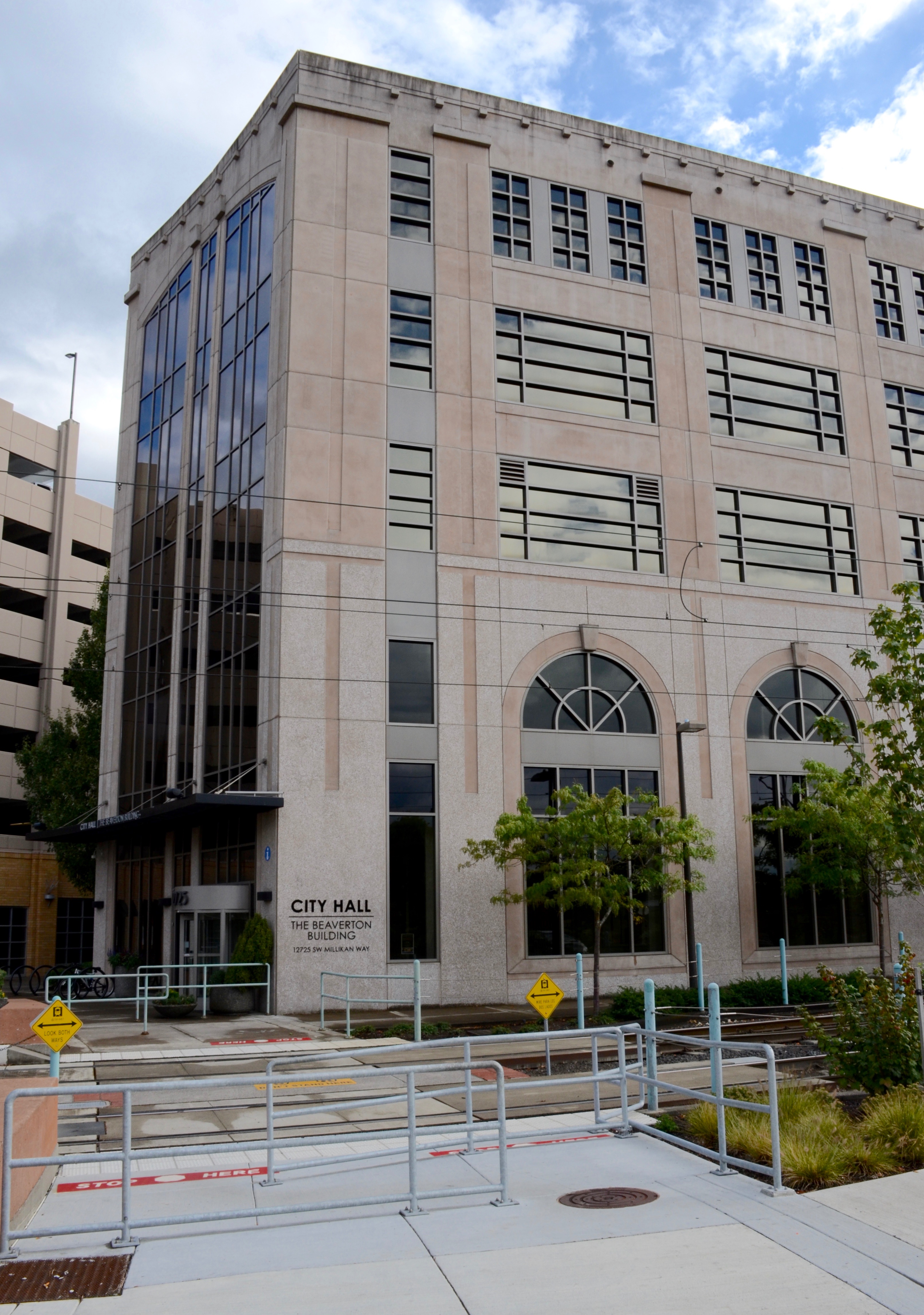
Beaverton could face new deadlines for committing and completing projects funded by its $31.1 million share of Metro’s affordable housing bond under a proposed Fifth Amendment scheduled for the City Council’s Dec. 1, 2026, consent agenda.
The City of Beaverton’s agenda bill and proposed amendment would require the city to commit all remaining project funds to developments and ensure every project reaches “Financial Close” by June 15, 2028. The amendment would also set Dec. 15, 2030, as the agreement’s expiration date.
Financial Close requires more than committing funds. Under the amendment, it must be demonstrated through the phased or full disbursement of gap funding for a project’s direct costs under a grant or loan agreement, along with a Metro-approved, executed and recorded regulatory agreement, restrictive covenant, and priority and subordination agreement.
All projects must be completed within the agreement’s term. The amendment defines a project as complete when it receives a temporary certificate of occupancy.
Metro would not be obligated to disburse the remaining portion of the city’s eligible share for a project unless the agency determines the project is likely to reach Financial Close by the June 15, 2028, deadline. Metro also would have no obligation to disburse remaining eligible-share or administrative-share funds after the agreement expires.
The City Council is being asked to authorize the city manager to sign the amendment in a form approved by the City Attorney. The proposed amendment lists Metro Chief Operating Officer Marissa Madrigal and Beaverton Interim City Manager Elizabeth Coffey as the parties’ signatories.
Voters approved Metro’s $652.8 million affordable housing bond in November 2018. Beaverton received $31,140,595 through the program to help create at least 218 homes for households earning 60% or less of the area median income.
The city and Metro entered into an intergovernmental agreement on Dec. 10, 2019. The proposed amendment follows four previous amendments addressing project requirements and funding allocations.
Those changes included additional funding for cooling requirements, $18,000 for technical assistance to help 10 local minority-owned construction businesses pursue COBID certification, increases to the city’s administrative share, and the allocation of additional bond-related funds to affordable housing projects.
The Dec. 1 agenda bill lists no fiscal impact from the proposed Fifth Amendment. Javier Mena, the city’s affordable housing manager, is the staff contact for the item.