A nonprofit that got its start in Beaverton's school district in 2010 has placed its first students in Portland, marking a milestone for a program that pairs homeless teens with volunteer host families.
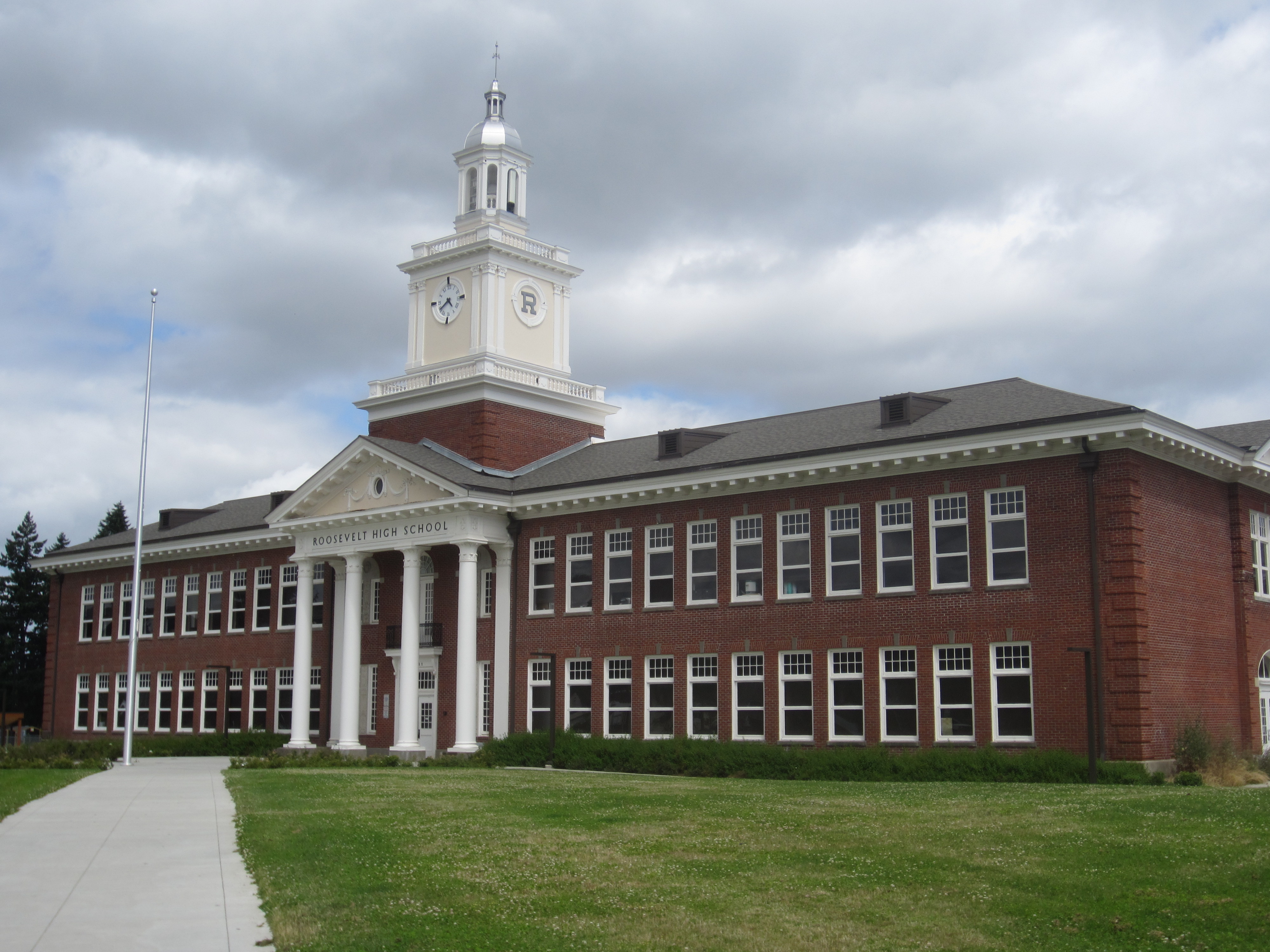
Second Home, run by Ecumenical Ministries of Oregon, has housed two Roosevelt High School students with host families since launching a pilot at the north Portland school in March.
Six more placements are in the works, according to Brittany Piper, a Second Home program associate manager who spoke to The Oregonian.
The Roosevelt partnership is Second Home's first with Portland Public Schools.
The organization held off on expanding into Portland until it felt confident it could sustain the work. Piper told The Oregonian that the nonprofit started small to ensure it could continue supporting partner schools even if funding shifted.
Beaverton roots
Ecumenical Ministries of Oregon launched Second Home in 2010 specifically to serve homeless students in the Beaverton School District. The program has since expanded to schools across Multnomah, Washington, Clackamas and Lincoln counties.
It is one of 12 state-funded host home programs serving 19 Oregon counties, with 209 youth currently in placements or receiving case management while awaiting housing, according to Matt Rasmussen, Oregon Department of Human Services Youth Homelessness Program manager.
The model works differently than foster care.
Students don't need to be wards of the state. Second Home connects with school counselors or McKinney-Vento liaisons to identify teens who need housing, then matches them with screened, trained families in their own communities so they can stay at their schools.
A Beaverton grad's path
Savina Zuniga, a Beaverton High School graduate who is Paiute, Cherokee and Shoshone, experienced homelessness at 16.
She spent years moving between relatives' and friends' homes before her school counselor connected her with Second Home, according to The Oregonian's reporting. The housing stability helped her graduate a year early.
Zuniga, now a legislative advocate for homeless youth, told The Oregonian that the program changed her trajectory. She said Second Home helped her move past a survival mentality and build the confidence she needed to thrive.
The need
More than 21,000 Oregon students experienced homelessness during the 2024-25 school year, according to the Oregon Department of Education. A 2019 study found that youth without a high school diploma are 4.5 times more likely to experience homelessness, making it the single greatest individual risk factor.
Roosevelt High has about 1,450 students; 34% experience poverty, according to state data. Seven Portland host families currently work with Second Home, and the nonprofit is recruiting more. Portland homeowners who host a student are eligible for a one-time $1,500 grant from the city's shared housing program.
The program faces an uncertain federal landscape. The Trump administration's proposed fiscal year 2027 budget seeks to eliminate all dedicated funding for the McKinney-Vento Homeless Education Program, a $129 million federal initiative.
Congress preserved the program after a similar attempt the prior year. Oregon codified its own state-level protections for homeless students into law in spring 2026.
How to help
Residents interested in supporting Second Home don't have to become host families. Rasmussen said community members can also mentor students, provide school transportation or offer temporary housing while a host family is out of town. More information is available at emo-secondhome.org.