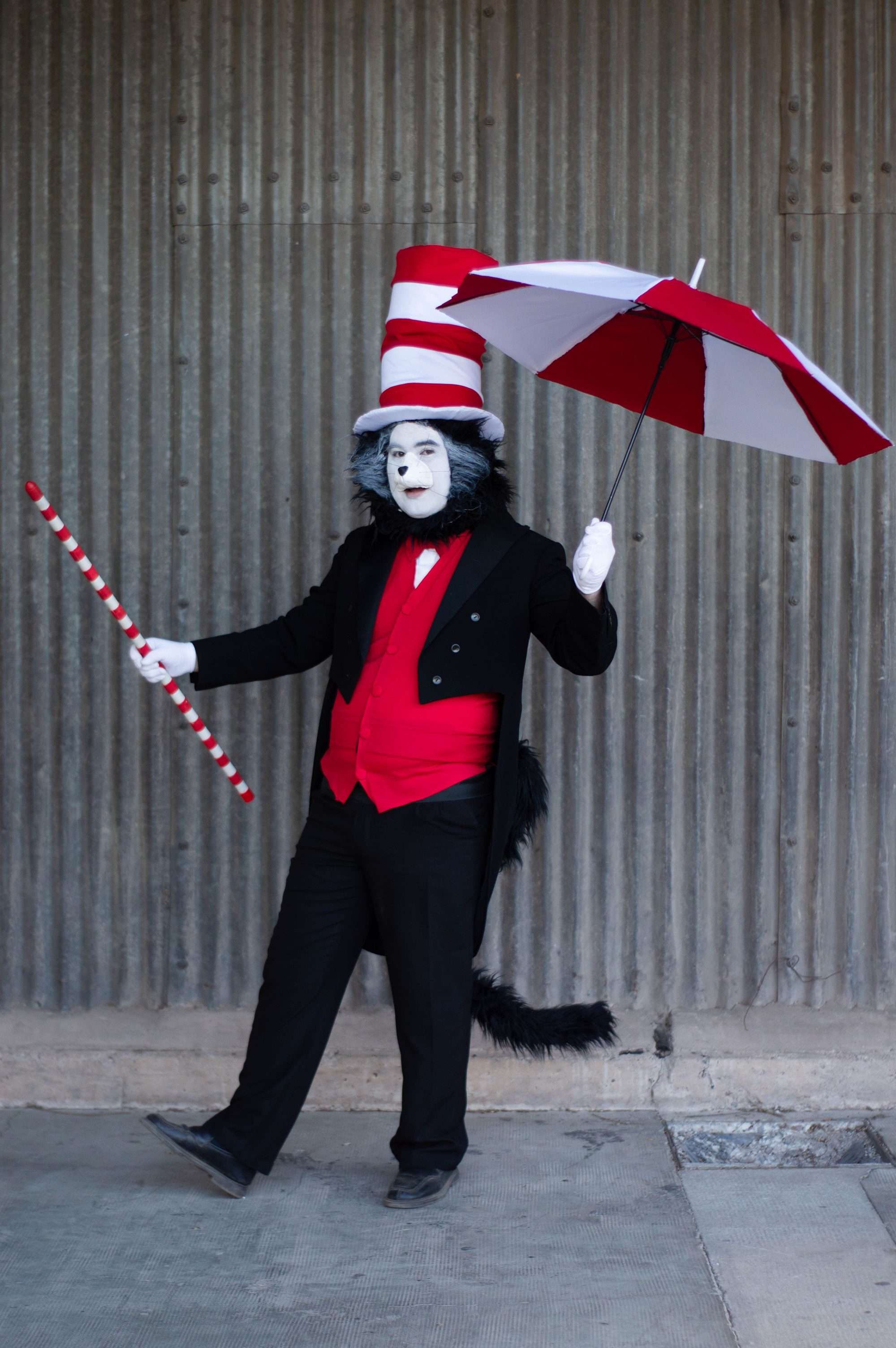
Beaverton School District has not reported any incidents tied to a viral "Cat in the Hat" social media trend that has led to juvenile arrests in at least eight states.
The district, which serves about 37,891 students across 56 schools, had not issued public guidance on the trend as of Tuesday, Sept. 15. Beaverton Police had not released a statement either.
The trend has moved fast. OregonLive reported Monday, Sept. 14, that schools and police agencies across the country are warning families about doctored or AI-created images of a sinister version of the Dr. Seuss character lurking near schools and neighborhoods.
The posts circulate on TikTok, Snapchat and other platforms.
What started as horror-style fiction in Ireland and the United Kingdom turned dangerous when U.S. copycats began tagging specific schools, students and staff in their posts, according to Police1.
The consequences have been real.
Four girls ages 13 to 15 were arrested in Berwick, Louisiana, on charges including terrorizing and cyberbullying, Fox News reported. A 12-year-old Florida student was accused of posting a written threat to kill. In Kansas, a 15-year-old Hutchinson High School student faced two counts of criminal threat after creating a TikTok account tied to the trend, according to Newsweek. In Jessamine County, Kentucky, the FBI helped local police identify and charge a juvenile behind threatening posts targeting schools.
As of Sept. 9, law enforcement and the FBI had arrested more than 10 juveniles nationwide, some on felony charges, according to Fox 10 Phoenix. Arrests were also reported in Connecticut, Colorado and Georgia.
FBI Special Agent Nathan Head told Spectrum News 1 that posting the video itself is not a crime. Pairing it with threats focused on a school, student or institution can be.
In West Haven, Connecticut, an eighth-grade student at Bailey Middle School was arrested and charged with breach of peace after a weekend threat, NBC Connecticut reported. West Haven Police Sgt. Scott Allard said the department coordinated with school officials immediately. "We worked with the Board of Ed, our school resource officers; everyone was here, everyone was ready to go …" Allard said.
The OregonLive report noted similarities to the "killer clown" scare of 2016. This time, AI-generated imagery makes it harder to tell real photos from fakes, which can amplify fear.
Law enforcement agencies in multiple states are urging a simple response: do not repost or share the images.
Take a screenshot that includes the username and send it to a school administrator or police officer. Oregon families can also report threats through SafeOregon, the state's school safety tip line.