Beaverton's 2,000 ash street trees face a new threat after the Oregon Department of Forestry confirmed the emerald ash borer inside city limits for the first time.
The ODF announced Aug. 7 that traps set in the spring and checked in July had caught the invasive beetle in Beaverton, OPB reported.
New detections also turned up in Salem, Silverton and at Bethany Lake Park in Rock Creek. The Banks-Vernonia State Trail tested positive too, marking the first time the pest has been found in an Oregon state park.
Forestry officials expect Oregon could lose up to 99% of its ash trees to the beetle over time, according to OPB.
A suspected detection at Jackson Bottom Wetlands Preserve in neighboring Hillsboro is awaiting official state confirmation.
Beaverton's response
The city's Urban Forestry team has already used grant funding to treat 600 of the 2,000 inventoried ash street trees, with plans to treat another 600 soon, according to the Beaverton Valley Times.
The team has also treated 22 city-maintained natural area trees 20 inches in diameter and larger and planted more than 2,000 native trees and shrubs.
Beaverton City Arborist Jered Lane said Aug. 6 that the city is "continuing to monitor ash street trees throughout the city with regular inspections, respond to concerns about possible cases in Beaverton, and educate the public about EAB."
The city has also planted 60 new street trees with help from volunteers and Friends of Trees.
Beetle spreading faster across Oregon
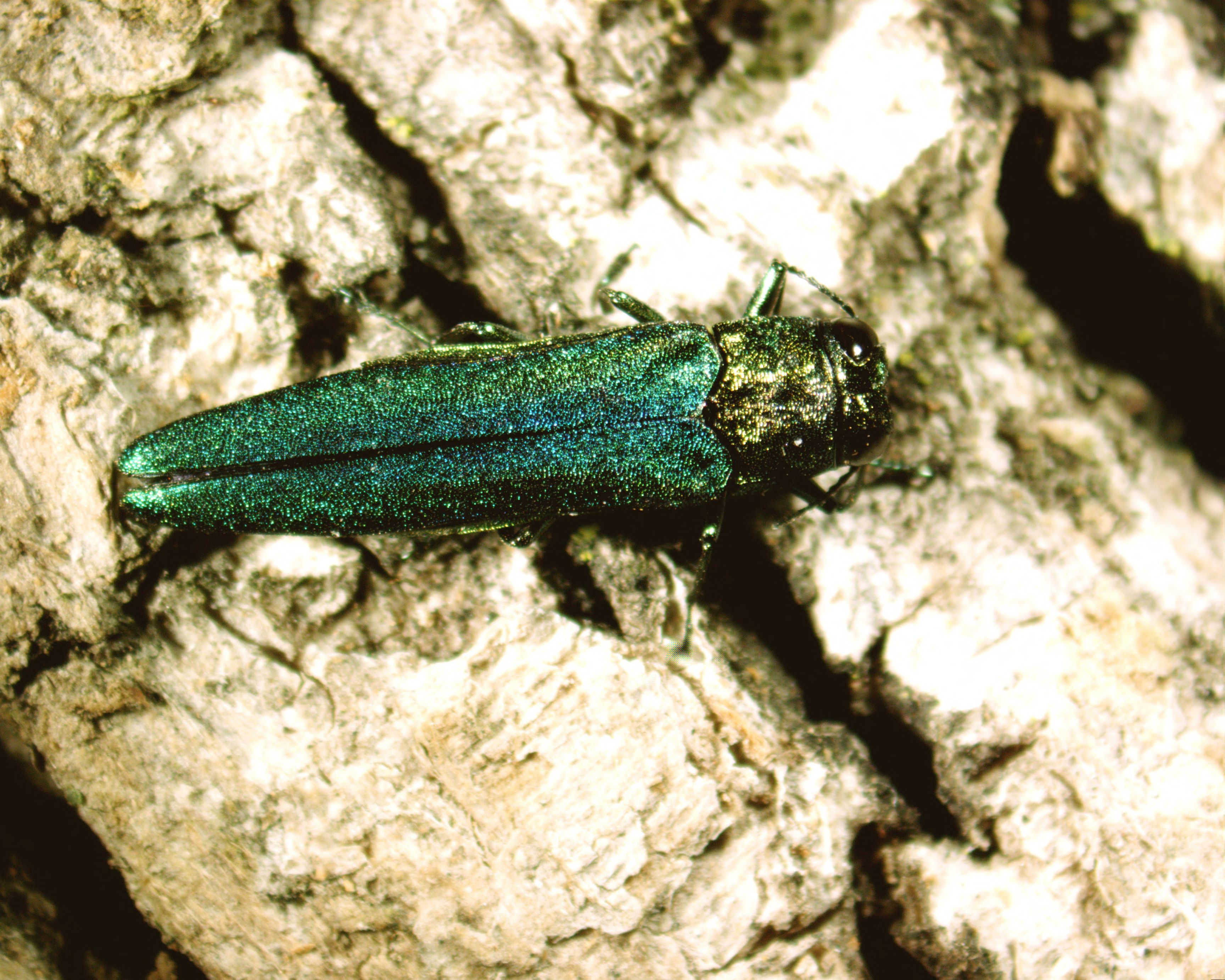
The emerald ash borer (EAB), native to eastern Asia, was first detected in Oregon in 2022 in Forest Grove.
Larvae tunnel into trees and eat the inner bark, cutting off water and nutrients. Trees typically die within two to five years.
The beetle has killed hundreds of millions of ash trees across the U.S. and Canada.
Cody Holthouse, manager of the Oregon Department of Agriculture's Insect Pest Prevention and Management Program, told the Beaverton Valley Times on Aug. 6 that the spread is accelerating.
"But within a few years there is a rapid build-up in the population and it spreads in all directions at a faster pace," Holthouse said. "That's exactly what we're starting to see with these detections."
On Aug. 20, the beetle was confirmed in Washington state for the first time after two people in Vancouver spotted one on their windshield.
Quarantine and what residents can do
A quarantine across five Willamette Valley counties prohibits moving firewood from hardwood trees and any parts of ash, olive or white fringetree out of those counties.
The affected counties are Clackamas, Marion, Multnomah, Washington and Yamhill.
The ODF recommends homeowners stop planting ash and olive trees and have a professional treat high-value ash trees before they become infested.
Insecticide injections cost about $400 for a large tree and need to be repeated roughly every two years.
Signs of infestation include thinning and yellowing leaves, bark splitting, D-shaped exit holes and shoots sprouting from the trunk or branches. Adults are active only from June through September.
Residents who spot a suspected emerald ash borer can call 1-866-INVADER or report online at oregoninvasiveshotline.org, preferably with a clear photo.