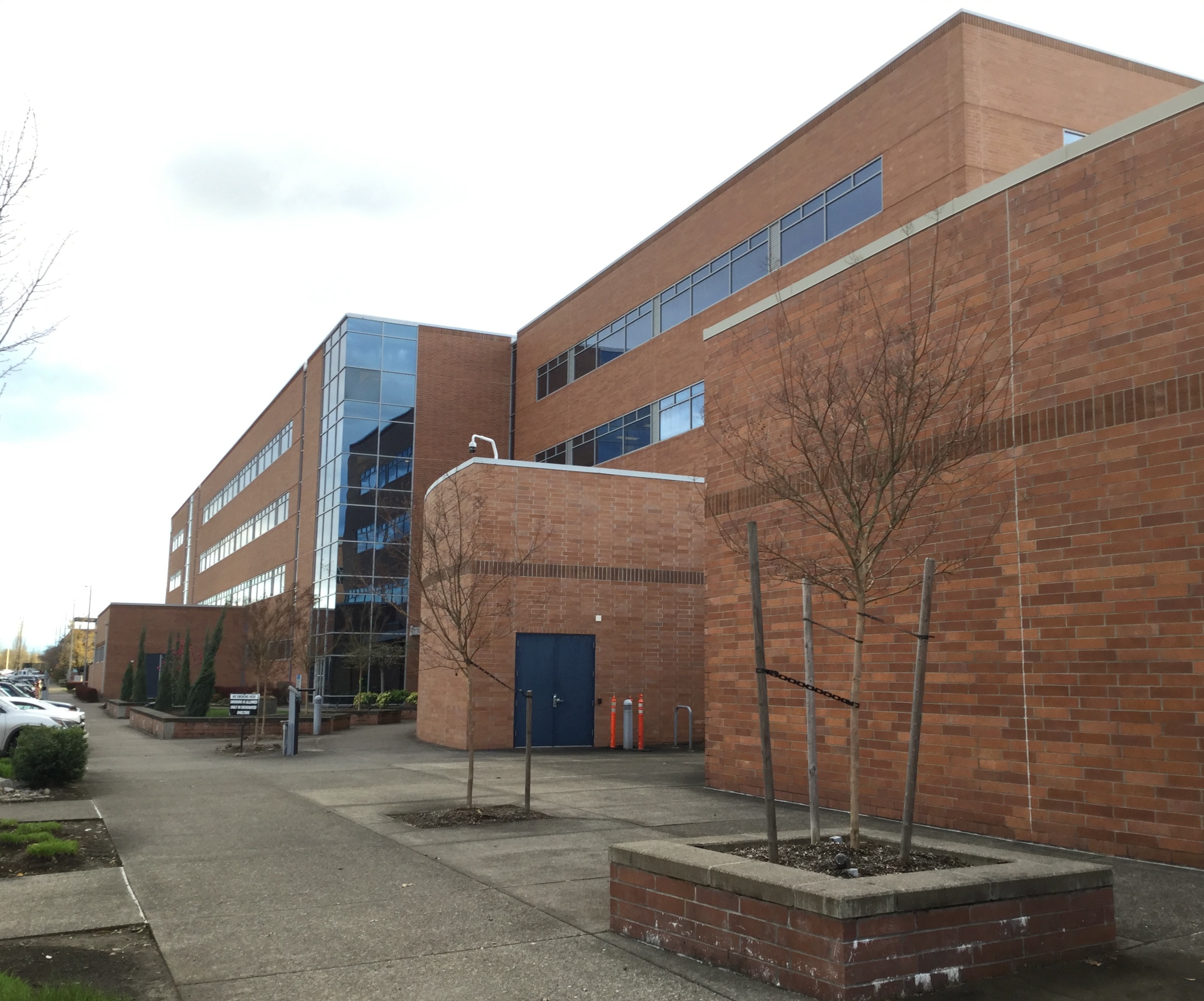
Intel announced a new education initiative on Aug. 6, backing K-12 career and technical education in Oregon. The program lands as Beaverton School District doubles down on CTE even while cutting $20.6 million from its budget.
The Semiconductor Education Pathways Program, or SEPP, supports educator externships, career-connected learning for students, curriculum development and faculty training in semiconductor manufacturing, artificial intelligence and quantum computing. Oregon is one of four states covered, alongside Arizona, New Mexico and Ohio, all home to Intel manufacturing operations.
Intel's corporate announcement did not name specific Oregon school districts or dollar amounts for the state. But the company's Hillsboro campus, its global center for chip R&D, sits less than five miles from BSD schools already running semiconductor-adjacent programs.
BSD's CTE pipeline
The district operates 33 CTE programs, including three at the Beaverton Academy of Science & Engineering that align most directly with semiconductor careers: Engineering Technology, Biomedical Studies, and Computer Science & IT. BASE students earn Arduino and Autodesk Fusion 360 certifications and work with digital electronics and circuits.
Westview High School's Manufacturing Technology program and Beaverton High School's new Electrical Technology track also map onto chip-industry pathways.
This summer, BASE CTE students held paid positions working for the district, using their tech skills to support other students' learning. Those jobs are funded in part by the 2022 bond, the district said in a July 28 social media post.
Budget pressure, CTE growth
BSD's 2026-27 General Fund budget totals $780.4 million, down $6.5 million from the prior year. The district is drawing down reserves by about $20 million annually, a structural deficit projected to exceed $70 million by 2029 without further action, according to district budget documents.
Yet the district lists CTE expansion as a continuing priority, adding programs in behavioral health and electrical trades even as it cuts elsewhere.
Stafford Boyd, BSD's administrator for curriculum, instruction and assessment, told K-12 Dive that the district's CTE programs let students earn certifications that give them a leg up in employment immediately after high school.
Broader workforce context
The SEPP launch arrives during a difficult stretch for Oregon's semiconductor workforce, which is at a 30-year low, according to The Oregonian. Intel employs roughly 16,000 workers in Washington County, down from 23,000 in 2024.
A July 2026 state report warned Oregon's chip industry risks becoming "an insignificant stakeholder" globally, citing insufficient student preparation for tech careers.
"The best thing the state can do for Oregonians and the semiconductor industry is to invest in our education system," Daniel Hauser, deputy director at the Oregon Center for Public Policy, said in July in response to that report.
Intel already has a relationship with Beaverton schools through the Beaverton Education Foundation, granting BEF $25,000 in December 2024 for STEAM outreach.
Its deeper K-12 partnership in the region is with Hillsboro School District, where Intel has contributed more than $320,000 over five years for STEAM and CTE programming, according to an Oregon CHIPS biannual report.
Whether SEPP dollars flow directly to BSD classrooms remains unclear. Intel's announcement named no specific Oregon partners, and no BSD official has commented publicly on the program.