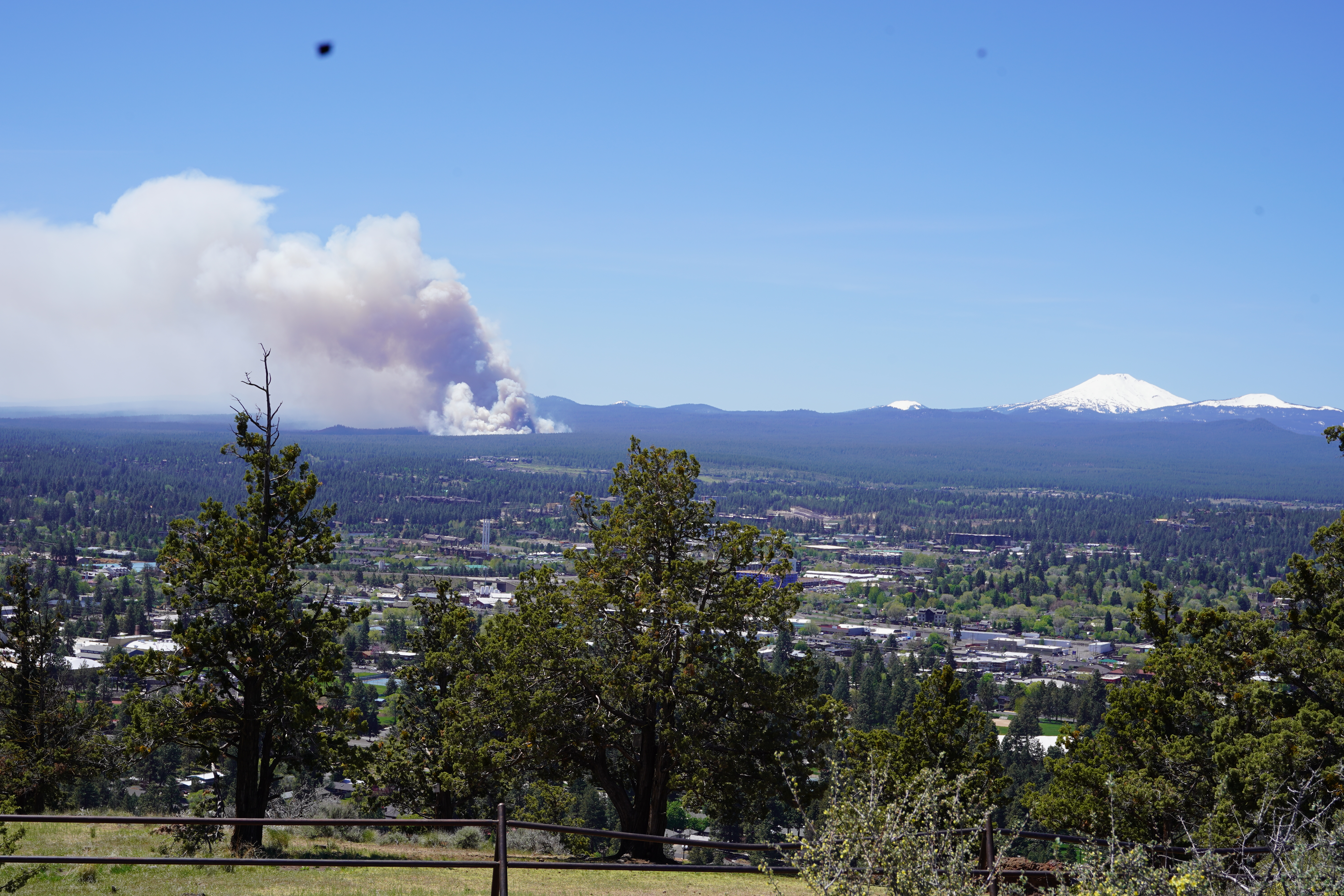
Oregon's 2026 wildfire season has burned more than 1.3 million acres across 34 large fires as of July 27, matching the pace of the record-breaking 2024 season that ultimately scorched 1.9 million acres and cost the state roughly $300 million to fight.
For Beaverton-area residents, the escalation means local firefighters are spread thin.
Tualatin Valley Fire & Rescue deployed crews to at least three separate wildfires starting July 16, and neighboring agencies report rapid back-to-back deployments with the state climatologist warning no weather reprieve is likely for weeks.
"We're in a season extremely reminiscent to 2024, which was record-breaking season. You know, 1.9 million acres burned in 2024," Jessic Neujahr, an Oregon Department of Forestry spokesperson, told KOIN 6 News on July 27.
TVF&R joined a Washington County strike team on July 16 that deployed to the East Evans Creek Fire near Medford, alongside Hillsboro Fire & Rescue and the Banks Fire District. TVF&R simultaneously sent incident management personnel to the Lower Dry Creek Fire near Umatilla County and resources to the Salmon and Olive Butte fires west of Baker City, according to the Beaverton Valley Times.
The East Evans Creek Fire had grown to 15,580 acres and was 54% contained as of July 27, according to the Oregon Department of Forestry's situation report. That report tallied approximately 12,417 personnel assigned to the 34 large fires statewide.
The toll on Washington County crews is visible. Hillsboro Fire & Rescue Battalion Chief Eric Kriem told KGW on July 28, after returning from Central Oregon, that he deployed expecting one fire assignment but ended up on three.
Less than a day after one Banks Fire District crew returned home, another was back on the road for the Flat Fire in southeast Oregon.
The rotations keep coming.
The state's $20 million annual firefighting budget is expected to be far exceeded. The Oregon State Fire Marshal has declared six conflagrations and brought in teams from California, Washington, and as far as Florida.
The National Interagency Fire Center has moved to its highest preparedness level, NPR reported, meaning additional federal resources may not be available if another major fire ignites.
Oregon State Climatologist Larry O'Neill told NPR on Wednesday, July 29, that no weather reprieve appears likely for weeks. Oregon recorded its lowest snowpack on record last winter, leaving higher-altitude forests vulnerable as the season moves into August and September.
TVF&R has an active burn ban in place. The agency urges residents to avoid mowing lawns during the hottest parts of the day and not to start vehicles on dry grass. Residents who want to help can volunteer with the Red Cross to support wildfire evacuees.